

Small Steps, Big Results: How to Get Stronger Every Single Day
Building strength doesn’t always require intense workouts or long hours in the gym. In fact, real, long-lasting progress often comes from small, consistent steps taken every single day. When you focus on daily improvement rather than short bursts of motivation, you create steady momentum that transforms your body and mind over time. Getting stronger every day is not about lifting the heaviest weights—it’s about building sustainable habits, improving your mindset, and learning how to make fitness a natural part of your life. Whether you’re a beginner or someone returning to fitness, simple daily actions can lead to powerful long-term results. When you understand that strength is built gradually, you free yourself from the pressure of perfection and start enjoying the process of becoming stronger, healthier, and more confident.
One of the most important steps to getting stronger every day is establishing a routine that supports your goals. Daily habits like stretching in the morning, maintaining good posture, and taking short walks can significantly improve your mobility and endurance. These habits might seem small, but they play a major role in preparing your body for more intense exercises. Even performing a few bodyweight movements—such as squats, push-ups, and planks—can gradually build strength when done consistently. You don’t need to start with long workouts; even 10 to 15 minutes a day can make a noticeable difference when combined with commitment and persistence. What truly matters is showing up each day and giving your best effort, no matter how small it may seem.
Another key factor in daily strength development is your mindset. Many people underestimate the power of mental discipline in achieving physical goals. Staying consistent, especially on days when you feel tired or unmotivated, requires mental strength. By celebrating small wins—like completing a short workout, drinking enough water, or improving your form—you reinforce positive habits and boost your motivation. Over time, these small victories shape a stronger mindset, making it easier to stay committed to your fitness journey. When your mind is strong, your body follows. You start to push through challenges, set higher goals, and develop confidence in your ability to improve.
Fueling your body properly is another essential step in getting stronger every day. Consuming balanced meals with enough protein, healthy fats, and complex carbohydrates helps your muscles grow and recover. Staying hydrated throughout the day also supports strength development and overall performance. Many people focus only on workouts and forget that nutrition is just as important. Without proper fuel, your body cannot perform at its best, no matter how hard you train. Small dietary improvements—like adding vegetables to your meals, choosing whole foods over processed ones, and reducing sugary snacks—can dramatically impact your strength and energy levels.
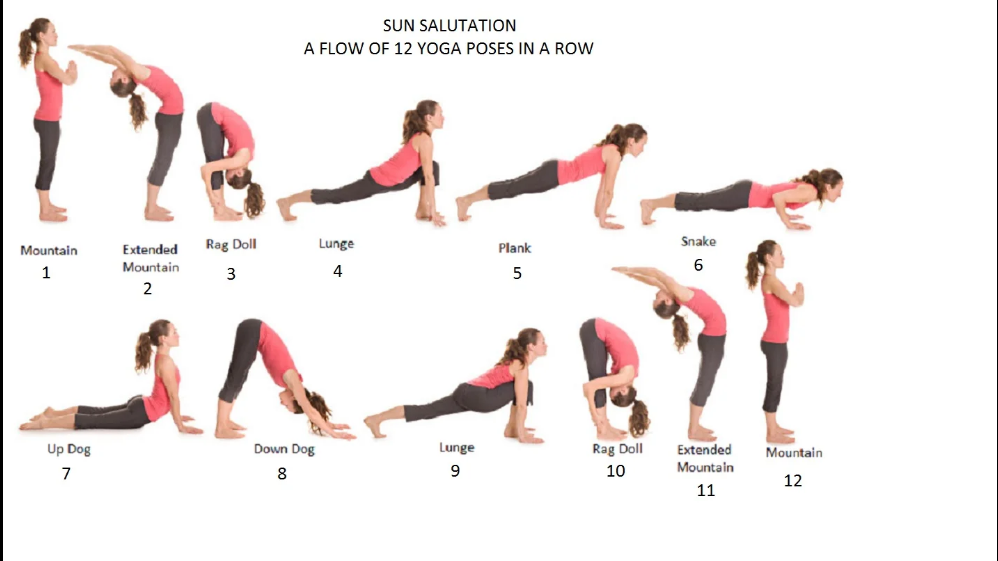
Rest and recovery are also crucial in your daily strength-building journey. Your body needs time to repair muscles and replenish energy. This doesn’t mean you must take full rest days every day—instead, focus on active recovery. Light activities such as stretching, yoga, or slow walks help keep your body moving while giving your muscles the chance to heal. Proper sleep is also essential, as it supports muscle growth, hormone balance, and mental clarity. When you respect your body’s need for rest, you prevent burnout and create a healthy balance that allows for continuous improvement.
As you take small steps each day, you’ll begin to notice changes—not just in your strength, but in your overall mindset and lifestyle. Clothes may fit better, your posture may improve, and you may feel more energized and motivated. Most importantly, you’ll develop a deep sense of discipline and self-belief. Getting stronger every single day is not just about building muscles; it’s about creating a lifestyle that values progress, patience, and persistence. Each small action you take brings you closer to becoming the best version of yourself. Over time, these small steps lead to big results, proving that consistency—not intensity—is the true key to strength and transformation.
Daily progress toward greater strength doesn’t require intense exercise sessions or major changes to your daily routine. People achieve their most significant changes through their ability to execute small tasks on a daily basis for an extended period. Daily routines that include physical and mental challenges enable individuals to develop their strength through controlled challenges which do not exhaust their stamina.
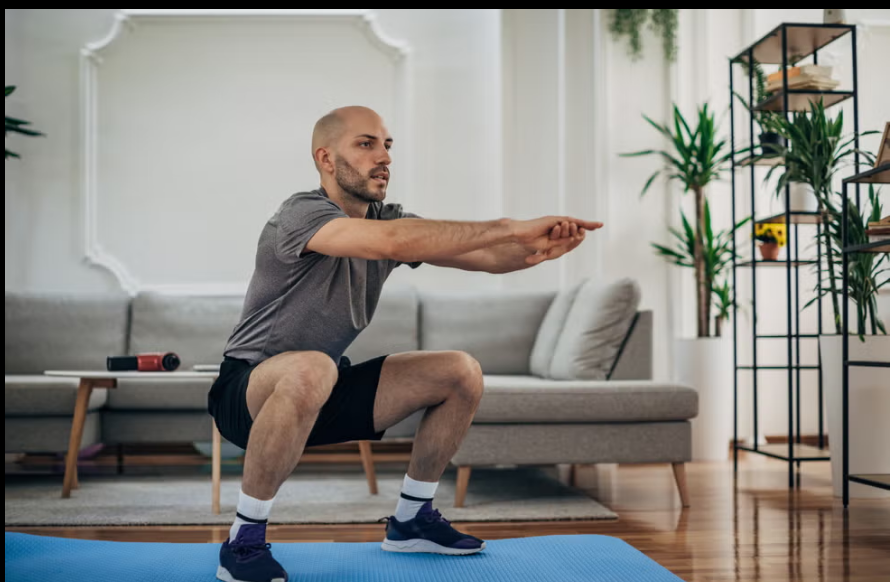
Begin your exercise program with exercises that you can handle. Your body should perform foundational exercises, which include squats and push-ups and lunges and rows and planks. The compound exercises enable training of several muscle groups which results in effective strength development that produces balanced results. You should train for 20 to 30 minutes three to five times each week. You should perform exercises at a moderate level until you reach the point where you can complete one to two additional repetitions. This method enables gradual development which helps you recover.
People who want to advance their training can use alternatives to heavier weightlifting for their progress evaluation. People can enhance their progress by adding one more repetition or creating better movement techniques or executing slower movements or adding more weight. The principle of progressive overload enables your muscles to learn new techniques through safe training methods. The process of building strength starts with your first tiny improvements which accumulate throughout weeks and months until you achieve substantial strength increases.
Recovery time needs to match your work effort. Your muscles require rest time because their growth happens outside of the workout session. You should focus on the essential elements of sleep and hydration and proper nutrition which needs to deliver sufficient protein. Rest days should include stretching exercises and light walking because they help blood circulation and decrease stiffness. Your body will progress forward through small movements when you learn to understand its signals.
Your body becomes stronger through daily activities which happen outside of planned workout sessions. Your body remains active and develops its strength through practices like using stairs and grocery handling and walking and mobility exercises. These basic movements rather than their complex ones help people to maintain their strength.
Small steps remove intimidation and build confidence. When you focus on what you can improve today—just one percent better than yesterday—you create momentum. Over time, those modest efforts transform into significant results. Strength is not built in a single breakthrough moment; it’s built quietly, day by day, through disciplined, intentional action.