

Mind Over Muscle: Boost Focus and Motivation
Achieving peak fitness and performance requires more than just physical effort—it demands mental strength, focus, and motivation. The concept of “mind over muscle” highlights the critical role the mind plays in achieving results, maintaining consistency, and pushing through challenging workouts. Experts emphasize that mental conditioning can be just as important as physical training. By developing strategies to enhance focus, boost motivation, and cultivate a resilient mindset, fitness enthusiasts and athletes can optimize their performance, overcome obstacles, and achieve sustainable long-term results.
One of the most effective strategies to boost focus is goal setting. Clearly defined, specific, and achievable goals provide direction and purpose, allowing the mind to focus on what truly matters. Breaking down larger objectives into smaller, measurable milestones keeps motivation high and ensures steady progress. Professionals often use techniques such as journaling, visualization, or progress tracking to reinforce goals and maintain clarity. Setting realistic yet challenging targets ensures that every training session has meaning, which enhances mental engagement and performance.
Visualization and mental rehearsal are powerful tools used by elite athletes to enhance focus and motivation. This technique involves imagining successful execution of movements, achieving personal records, or overcoming obstacles. Visualization activates the same neural pathways as physical practice, preparing the mind and body for peak performance. Experts suggest incorporating visualization before workouts or competitions to increase confidence, reduce anxiety, and optimize execution. Mental rehearsal helps athletes anticipate challenges, maintain focus under pressure, and execute movements with precision.
Mindfulness and concentration exercises also improve focus and performance. Practices such as meditation, deep breathing, and controlled attention training help manage stress, reduce distractions, and enhance cognitive clarity. By cultivating mindfulness, athletes can remain present during workouts, respond effectively to fatigue, and maintain proper technique. Experts note that mental focus not only improves exercise quality but also supports long-term consistency, reducing the likelihood of burnout or inconsistent effort.
Motivation techniques are essential for sustaining long-term fitness. Professionals recommend a combination of intrinsic and extrinsic motivators to maintain commitment. Intrinsic motivation comes from personal satisfaction, enjoyment, and the sense of achievement, while extrinsic motivators include rewards, accountability partners, or public recognition. Structuring workouts around meaningful challenges, tracking progress, and celebrating small successes reinforces motivation and helps maintain high energy levels over time. Mental strategies such as positive self-talk and affirmations further strengthen resilience and determination.
Routine and habit formation are critical for translating focus into consistent action. Establishing structured daily routines reduces reliance on fluctuating motivation and strengthens discipline. Fitness professionals advise pairing workouts with specific cues, consistent timing, and supportive environments to reinforce habits. When exercise becomes habitual, the mind is primed for engagement and the likelihood of skipping sessions decreases. Developing habits that integrate both physical effort and mental focus creates a sustainable approach to long-term success.
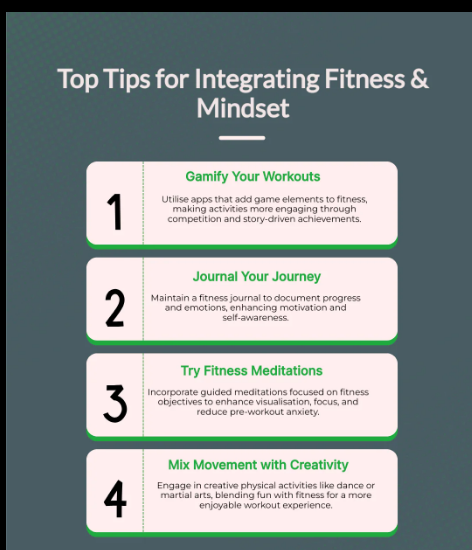
Overcoming mental barriers is another vital component of mind-over-muscle training. Challenges such as self-doubt, fatigue, or fear of failure can hinder performance if not addressed. Experts recommend strategies such as breaking tasks into manageable steps, focusing on the process rather than outcomes, and using cognitive reframing to view challenges as opportunities. Developing mental resilience allows athletes to maintain motivation even under fatigue or high pressure, ensuring consistent progress toward goals.
Energy management is equally important for optimizing focus and motivation. Proper nutrition, hydration, and rest provide the fuel the brain and body need to sustain concentration and effort. Professionals emphasize that mental sharpness declines when energy is depleted, highlighting the interdependence of physical and cognitive performance. Timing meals, hydration, and breaks strategically throughout the day supports sustained mental engagement and maximizes workout quality.
Accountability and social support enhance motivation and mental focus. Engaging with trainers, workout partners, or supportive communities provides encouragement, feedback, and a sense of responsibility. Experts highlight that sharing goals, tracking progress with others, and celebrating achievements in a social context reinforces commitment and drives consistency. External accountability complements intrinsic focus, ensuring that effort remains aligned with goals even during challenging periods.
Finally, cultivating a positive mindset is essential for long-term success. Optimism, patience, and self-compassion allow individuals to navigate setbacks without losing motivation. Fitness professionals recommend reframing failures as learning opportunities, maintaining perspective, and emphasizing progress over perfection. A growth-oriented mindset encourages exploration, persistence, and enjoyment, transforming fitness from a task into a rewarding and sustainable journey.
In conclusion, “Mind Over Muscle” emphasizes that mental strength, focus, and motivation are as crucial as physical effort for achieving fitness and performance goals. By leveraging strategies such as goal setting, visualization, mindfulness, motivation techniques, habit formation, barrier management, energy optimization, accountability, and positive mindset cultivation, individuals can enhance mental focus, sustain motivation, and unlock their full potential. Combining mind-focused strategies with consistent physical training ensures not only immediate performance improvements but also long-term, sustainable success in fitness and overall well-being.

Building a strong body is necessary, yet building a strong mind enables people to achieve their highest potential. The phrase “Mind over muscle” demonstrates how mental concentration affects physical performance through its strong relationship. Your training achieves its best results when your mindset maintains both clarity and high motivation.
Clarity serves as the starting point for focus. Your workouts will gain significance when you understand your training purpose. Your goal to increase strength or improve health or build confidence will strengthen your commitment when you maintain your core purpose. Determination develops through clear goals which establish forward movement.
The second effective method of visualization. Your brain receives practice through mental rehearsals of successful lifts and strong performances and challenging workouts. Your confidence increases when you visualize success, which improves your body’s ability to move with better coordination. Elite performers often use this strategy to enhance results.
Positive self-talk serves as an important factor. Your self-talk during tough times determines whether you will weaken or strengthen your performance. You can handle fatigue and pain when you use positive thoughts to replace your doubtful thinking. Your belief in completing that last repetition will determine whether you keep going or stop altogether.
People need to develop mental habits through regular practice, just like they need to practice physical training. People achieve better focus and workout readiness through routines that include listening to motivational music and deep breathing and goal review before their workouts. These minor rituals help your mind establish a quick transition into work mode.
Stress management and distraction control lead to better work performance. The mind achieves calmness and focus, which enhances reaction abilities and coordination skills and decision-making capacities. The body requires rest, which people should prioritize, along with balance maintenance.The combination of balance and short mental breaks allows people to sustain their motivation throughout extended periods of work.

The ultimate form of power emerges from the combination of mental toughness and physical strength. Your body moves according to your mental discipline which includes your focus and determination. When you treat your thoughts with the same dedication as your muscles, you will achieve greater levels of performance and consistent motivation that lasts.