

From Zero to Strong: How to Begin Your Fitness Journey the Right Way
Starting a fitness journey can feel intimidating, especially if you are beginning from scratch. Many people hesitate because they fear they are not fit enough, strong enough, or knowledgeable enough to start. However, the truth is that everyone begins somewhere, and taking the first step is far more important than being perfect. The phrase “from zero to strong” emphasizes that strength, health, and fitness are built gradually through consistent, focused effort. By following a structured approach and adopting beginner-friendly habits, anyone can transition from a sedentary lifestyle to a strong, capable, and confident version of themselves. The key is knowing how to begin the right way—safely, effectively, and sustainably.
The first step in starting your fitness journey is understanding your current fitness level and setting realistic goals. Beginners should take stock of their abilities, mobility, endurance, and strength before jumping into a rigorous routine. Setting achievable goals, such as performing a set number of push-ups, walking a certain distance, or completing short home workouts, provides direction and motivation. Goals give purpose to every action, and tracking progress helps maintain consistency. Experts recommend starting with small, measurable objectives that gradually increase in intensity as your fitness improves. This approach builds confidence and ensures that each milestone reinforces your commitment to growth.
Beginner-friendly exercises form the foundation of a successful fitness journey. These include bodyweight movements like squats, lunges, push-ups, planks, glute bridges, and modified pull-ups. Such exercises target multiple muscle groups, enhance functional strength, and improve balance and coordination. Compound movements, which involve more than one joint and muscle at a time, are particularly effective for beginners because they maximize results in shorter workout periods. The focus should always be on learning proper form rather than lifting heavy weights initially. Correct technique ensures safety, strengthens core stability, and prepares the body for gradual progression.
Progressive overload is a key principle that helps beginners build strength over time. It involves gradually increasing the intensity, volume, or resistance of exercises to continuously challenge the muscles. This can be done by adding repetitions, extending sets, increasing weight, or reducing rest intervals. Even small, incremental changes make a significant difference when applied consistently. By gradually pushing your limits, your muscles adapt and grow stronger, your endurance improves, and your overall fitness level rises without overwhelming your body. Beginners should aim for steady, manageable progress rather than attempting extreme workouts that may lead to injury or burnout.
Core strength and stability are essential for functional fitness and injury prevention. A strong core supports nearly every movement, from daily tasks to complex exercises. Beginners should integrate core exercises such as planks, side planks, bird dogs, and seated or standing twists into their routines. Core activation improves posture, balance, and force transfer during compound exercises, ensuring that the body moves efficiently and safely. Experts emphasize that functional strength comes from a combination of core stability and overall body conditioning, making it critical for anyone starting from zero.
Consistency is more important than intensity for beginners. Fitness is a long-term journey, and sporadic workouts rarely produce meaningful results. Establishing a consistent schedule—whether it’s 20–30 minutes of exercise daily or 3–4 sessions per week—helps develop a habit that lasts. Small, consistent actions compound into significant results over time. Even short workouts performed regularly contribute to strength, stamina, and confidence. Beginners should focus on showing up every day and completing their routine, understanding that consistent effort outweighs occasional bursts of high intensity.
Proper nutrition is vital for supporting strength and overall health. Muscles require adequate protein for repair and growth, while carbohydrates provide energy for workouts, and healthy fats support hormone production and recovery. Beginners should aim for balanced meals with whole foods such as lean meats, eggs, beans, vegetables, fruits, nuts, and whole grains. Hydration is equally crucial, as water aids in muscle function, recovery, and energy levels. Simple, sustainable dietary habits, combined with regular exercise, accelerate progress and enhance overall wellbeing.
Recovery and rest are often overlooked by beginners but are essential for building strength safely. Muscles grow and repair during rest, not during exercise itself. Beginners should incorporate adequate sleep, rest days, and active recovery techniques such as stretching, foam rolling, or light mobility work. Overtraining can lead to fatigue, decreased motivation, and even injury. By respecting the body’s need for recovery, beginners ensure that they remain energized, prevent setbacks, and maintain steady progress.
Mindset and mental focus play a critical role in starting from zero and becoming strong. Many beginners face self-doubt, fear of failure, or comparison with others. Cultivating a growth mindset—believing that abilities can improve with effort—helps overcome these challenges. Positive self-talk, visualization, and mindfulness techniques can enhance motivation and discipline. Mental resilience allows beginners to stay consistent even when progress feels slow, helping them push through plateaus and setbacks while reinforcing the habit of showing up every day.
Flexibility and mobility training support strength development by improving joint health and range of motion. Incorporating dynamic warm-ups, stretching, and mobility drills into a beginner routine prevents stiffness, enhances movement efficiency, and reduces the risk of injury. Healthy joints and muscles allow beginners to perform exercises correctly and comfortably, making workouts more effective and enjoyable. Experts recommend dedicating a few minutes before and after workouts to these practices to maintain a balanced and injury-resistant body.
Tracking progress and celebrating small wins is an effective strategy for motivation. Beginners should document their workouts, track repetitions, note improvements in form, or record milestones achieved. Recognizing small achievements reinforces commitment, builds confidence, and makes the fitness journey more rewarding. Whether it’s completing your first set of squats with perfect form, holding a plank longer than before, or simply feeling stronger in daily activities, celebrating these victories fuels motivation and encourages continued effort.
Finally, starting from zero requires patience and persistence. Fitness transformation does not happen overnight; it is the result of consistent action, deliberate effort, and gradual improvement. Beginners should focus on mastering the basics, embracing small wins, and gradually challenging themselves. Each session builds momentum, forming habits that compound into significant strength, endurance, and overall health improvements over time. With the right mindset, structured approach, and dedication, anyone can move from zero to strong, unlocking their full potential in both fitness and life.
In conclusion, beginning your fitness journey the right way involves understanding your current level, setting realistic goals, mastering foundational exercises, practicing progressive overload, and maintaining consistency. Supporting these efforts with proper nutrition, recovery, flexibility, and mental focus ensures safe and sustainable growth. By starting today, committing to daily actions, and celebrating incremental progress, beginners can transform their bodies, strengthen their minds, and achieve a lifetime of health, fitness, and confidence. From zero to strong is not just a goal—it is a journey that rewards patience, effort, and persistence with profound physical and mental transformation.

Starting a fitness journey can feel challenging when you have no experience to start with. The need to achieve fast results through heavy lifting or exercising according to strict regimens leads to mental exhaustion and increased stress. The truth behind strength development and self-assurance creation requires dedicated work through established methods and continuous development. You need to start your first steps with the most basic method.
First, shift your focus from results to habits. You should make three to four weekly workout sessions your first commitment instead of tracking your weight loss and muscle development. The process of building momentum works through consistent actions which then create belief in oneself. Your first objective requires you to develop active habits instead of trying to achieve maximum strength. Your body will start making progress when you include exercise into your daily activities.
Start with basic movement patterns. Your body needs only these fundamental exercises which include squats and push-ups or knee push-ups and lunges and glute bridges and planks to start its adaptation process. The compound movements enable you to develop balanced strength because they activate multiple muscle groups simultaneously. Each workout session should last 20 to 30 minutes while you execute 2 to 3 sets for each specific exercise. The training should maintain moderate intensity which will challenge you but not lead to complete exhaustion. Your body reaches its growth peak during two distinct periods: when you provide stimulation and when your body gets time to restore itself.
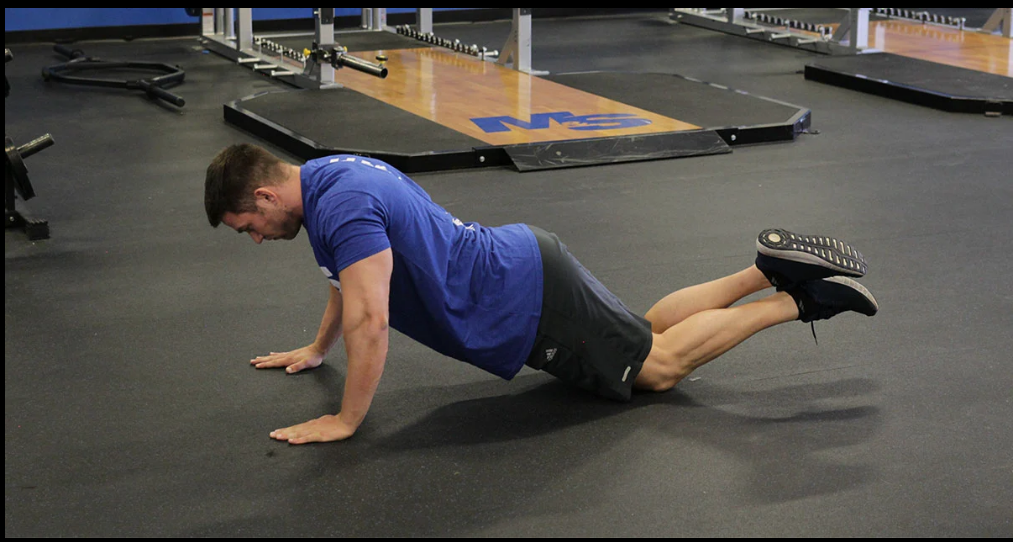
The ability to learn proper form presents equal value to its counterparts. Proper movement execution protects against injuries while enabling you to work the correct muscle groups. You should watch instructional videos from reputable trainers or record your movements for alignment assessment whenever you can. The procedure requires you to perform movements slowly with controlled speed because this method proves more successful than executing movements without control at fast speed.
You should use cardiovascular exercises to enhance your strength training instead of treating them as an alternate workout. Start your exercise routine with thirty minutes of brisk walking or cycling or light jogging on two to three days every week. The activity supports heart health while building endurance and enhancing recovery through increased blood circulation. High-intensity intervals should not be included in your workout schedule because you should focus on building your aerobic base first.
People frequently ignore recovery time yet it remains a vital process. Muscles develop during periods of rest instead of during physical training sessions. Your body requires 7 to 9 hours of sleep together with enough water intake and protein consumption from meals to facilitate muscle recovery. You need to take at least one complete break from work every week. Stretching or mobility exercises should replace your workout schedule whenever you experience extreme muscle soreness or exhaustion.
Your mindset represents the strongest driving force which leads you forward on your personal path. progress will not always happen in a straight line. Some days you will experience peak strength while other days your strength will decline. This behavior represents normal human behavior. People should track their success through their dedication to work their routine behavior and their progress towards minor goals which include extra repetitions and enhanced stability and better endurance. People achieve major successes when they accumulate multiple minor achievements.
The process of developing strength requires you to begin at your current position and make gradual progress with the resources which you currently possess. Your strength development will become unstoppable when you choose to establish permanent practices instead of pursuing instant solutions. You need to train consistently through multiple workouts before reaching your strongest self.