

Maximize Your Strength with Expert Techniques
Maximizing strength is not simply about lifting heavier weights or spending longer hours in the gym; it requires a strategic, science-based approach that targets the body efficiently and safely. Expert techniques in strength training are designed to optimize muscle growth, enhance performance, and reduce the risk of injury while ensuring consistent progress over time. Whether you are a beginner or an advanced athlete, understanding and applying these methods can drastically improve results. Strength is built through a combination of proper exercise selection, progressive overload, correct form, recovery, and nutrition. By training smarter rather than harder, you achieve measurable improvements in muscle power, endurance, and overall functional fitness.
One of the most effective expert techniques for increasing strength is progressive overload. This principle involves gradually increasing the stress placed on your muscles through heavier weights, more repetitions, or more challenging movements. Muscles adapt to the stress imposed upon them, becoming stronger and more resilient over time. Without progressive overload, your muscles quickly plateau, limiting growth and performance. Expert trainers emphasize starting with a manageable load and systematically increasing difficulty in a controlled manner to ensure optimal adaptation without risking injury.

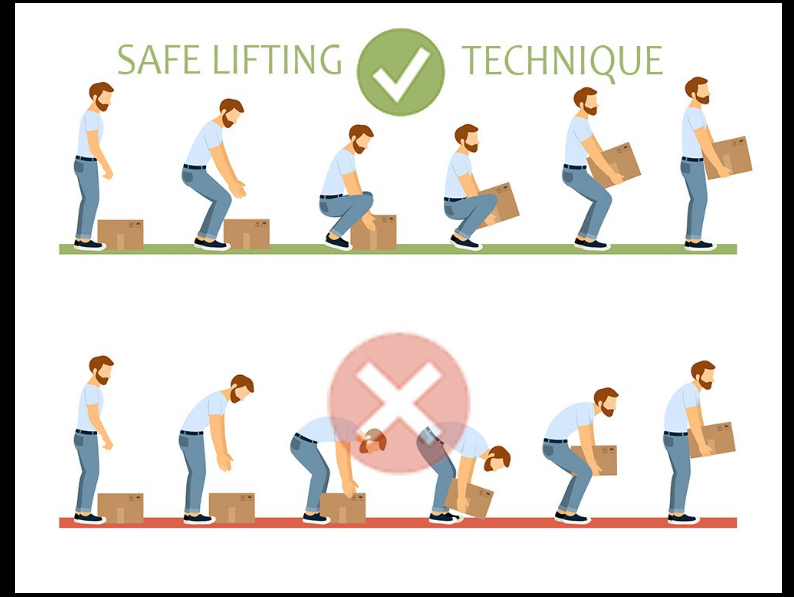
Proper technique is another cornerstone of strength maximization. Lifting with correct form ensures that the intended muscles are engaged, efficiency is maximized, and the risk of strain or injury is minimized. Common lifts such as squats, deadlifts, bench presses, and overhead presses require precision in alignment, core activation, and controlled motion. Experts stress that mastering form before increasing weight is crucial, as even small errors can lead to long-term injuries or decreased effectiveness. Consistently practicing correct technique builds a solid foundation for advanced strength training.
Compound movements are widely regarded as the most effective exercises for building strength. Movements that engage multiple muscle groups simultaneously, such as deadlifts, squats, bench presses, pull-ups, and push presses, stimulate more muscle fibers, boost hormone production, and improve overall functional fitness. Compound lifts also enhance coordination, stability, and power, making them essential for athletes and fitness enthusiasts alike. While isolation exercises have their place for targeting specific muscles, experts recommend a foundation of compound movements for maximum strength development.
Periodization is another expert strategy for strength maximization. This involves structuring training into cycles, alternating between phases of high intensity, lower intensity, volume work, and recovery. Periodization ensures that muscles are consistently challenged, prevents overtraining, and reduces the risk of plateaus. By varying the workload and intensity, your body continues to adapt, promoting long-term strength gains. Many professional athletes follow periodized programs to maintain peak performance throughout the year while minimizing injury risks.
Recovery plays a critical role in building strength. Muscles grow during rest, not while lifting. Experts emphasize that adequate sleep, rest days, and active recovery routines are essential for muscle repair, energy replenishment, and overall performance. Neglecting recovery can lead to fatigue, decreased performance, and injuries that hinder progress. Techniques such as foam rolling, stretching, mobility work, and light activity during rest days promote circulation, reduce soreness, and enhance flexibility, all of which support continued strength development.
Nutrition is equally important for maximizing strength. Muscles require adequate fuel and building blocks to grow effectively. Consuming sufficient protein aids in muscle repair, while carbohydrates provide the energy needed for intense workouts. Healthy fats support hormone production, including testosterone, which is critical for muscle growth. Timing meals around workouts—pre-workout for energy and post-workout for recovery—enhances performance and accelerates adaptation. Hydration is also essential, as dehydration can impair strength, endurance, and recovery.
Another expert tip for maximizing strength is to incorporate explosive and functional movements. Exercises such as kettlebell swings, box jumps, medicine ball throws, and Olympic lifts enhance power, speed, and athletic performance. These dynamic movements train muscles to generate force quickly, improving overall strength and functional capacity. Experts often combine traditional strength exercises with explosive training to create a balanced program that targets both raw power and endurance.
Mental focus and consistency are key components of expert strength techniques. Training with intent, visualizing successful lifts, and setting specific goals improve concentration, motivation, and results. Progress tracking through journals, apps, or logs allows you to measure improvements, adjust programs, and maintain accountability. Experts stress that gradual, consistent effort over weeks and months produces far greater long-term gains than sporadic or overly intense workouts.
Periodically reassessing goals and adjusting training programs is another technique recommended by experts. The body adapts to stress, and what worked for several weeks may become less effective over time. Changing variables such as weight, repetition ranges, rest periods, or exercise selection challenges the muscles in new ways, preventing stagnation and promoting continual strength gains. Regular assessment also helps identify weaknesses, prevent imbalances, and improve overall functional performance.
In conclusion, maximizing your strength requires more than effort—it demands knowledge, planning, and disciplined execution. By incorporating expert techniques such as progressive overload, correct form, compound and explosive movements, periodization, proper recovery, strategic nutrition, and mental focus, you can achieve consistent, long-term strength gains. These methods not only enhance physical capability but also promote injury prevention, functional performance, and overall fitness. Training smartly with science-backed techniques ensures that every session contributes to measurable progress, helping you unlock your full strength potential and maintain peak performance over time.
You need to follow a complete plan that includes correct techniques and educated programming and nutritional strategies and recovery methods to reach your maximum strength potential. Strength consists of more than muscle size because it includes your ability to execute movements with maximum efficiency and power. Using expert techniques will enable you to develop strength in a safe manner that leads to permanent results.
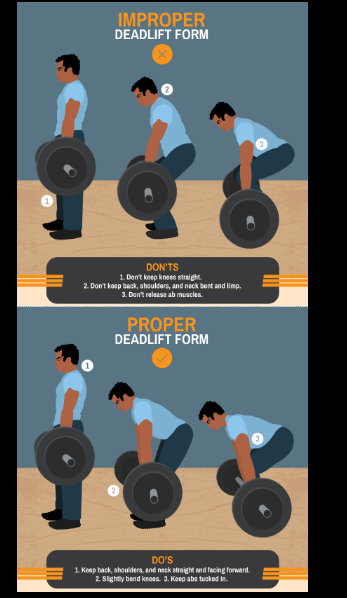
The strength-building process uses compound movements as its essential foundation. Squats and deadlifts and bench presses and pull-ups and overhead presses allow you to work multiple muscle groups at once which helps you lift more weight while improving your coordination skills. Compound lifts replicate actual body movements which lead to better overall functional strength. Experts recommend mastering proper form before increasing weight, as correct technique not only maximizes muscle activation but also reduces the risk of injury. Even small errors in posture or alignment can limit progress and cause strain over time.
The second fundamental principle of exercise is called progressive overload. Muscles need to experience greater challenges than what they can currently handle to develop and grow. You can accomplish this by progressively raising your weight and repetitions and sets and training intensity throughout your workout sessions. Progressive overload requires you to increase your training challenges at a gradual pace which results in continuous strength development. Expert lifters combine heavy strength training with speed and explosive training through their training methods to achieve growth while taking sufficient rest periods.
The crucial part to optimize strength development centers around performing additional exercises. The program needs compound lifts as its foundation, but to achieve better results, you must use isolation exercises to develop your weaker muscles. The exercises tricep extensions and hamstring curls and lateral raises create targeted strength development which leads to improved performance of primary lifts. The body achieves better lifting performance through strength training of core stabilizers and glutes because it enables higher efficiency during lifts while decreasing injury chances.
Strength development requires nutrition as its essential energy source. The body needs sufficient protein for muscle repair, while carbohydrates function as the energy source required during vigorous exercise. The body needs healthy fats to produces hormones for muscle development and performance enhancement. When protein and carbohydrates are consumed before and after training, this practice establishes meal timing that maximizes energy recovery and muscle development. The process of staying hydrated leads to better muscle performance and endurance throughout your session.
People often disregard recovery and rest yet these two factors serve as vital components for achieving strength gains. The body needs rest to enable muscle development and regeneration rather than during active lifting sessions. The body requires 7 to 9 hours of restorative sleep together with scheduled rest days and active recovery methods which include stretching foam rolling and yoga to enable muscle development while decreasing the possibility of sustaining injuries. The process of listening to your body enables you to determine when to decrease training intensity, which protects you from overtraining while keeping your progress on course.

The process of tracking your advancement and establishing specific objectives for progress, enables you to sustain your concentration while your enthusiasm remains intact. Tracking your weights and repetitions together with personal achievements enables you to discover patterns which help you make educated decisions while you recognize your accomplishments. Positive thinking together with self-discipline and consistent practice function as the fundamental elements which The combination of compound lifts with progressive overload and accessory exercises and proper nutrition and strategic recovery methods will help you achieve maximum strength development in a safe and effective manner. Your training system uses expert techniques that deliver efficient results while sustaining your training function to enable you to achieve greater lifting capacity and improved movement skills and permanent success. Building strength requires dedication to a lifelong process but proper training methods will help you reach your maximum capabilities with every workout.