


Daily Fitness Routine That Helps You Grow Stronger Without Burning Out
Building strength and improving fitness is a journey that requires consistency, discipline, and smart planning. One of the most common mistakes people make is pushing too hard too soon, which often leads to burnout, injuries, or loss of motivation. The key to sustainable progress is creating a daily fitness routine that strengthens your body while allowing proper recovery. A well-designed daily routine balances exercise, nutrition, rest, and mental focus, ensuring that you grow stronger over time without overwhelming your body or mind. With the right approach, anyone can achieve consistent results while maintaining energy, enthusiasm, and overall well-being.
The foundation of a safe and effective daily fitness routine starts with structured, beginner-friendly exercises. Compound movements like squats, lunges, push-ups, rows, and planks are highly efficient because they engage multiple muscle groups simultaneously. These exercises improve strength, coordination, and balance while also enhancing functional fitness for everyday activities. Beginners can start with bodyweight versions or light resistance, gradually progressing as their strength and confidence grow. Proper form is crucial: it ensures muscles are effectively targeted, joints are protected, and risk of injury is minimized. Consistently practicing these movements forms a strong foundation for future growth and prevents burnout caused by overexertion.
Progressive overload is a central principle for daily strength gains. By gradually increasing repetitions, sets, or resistance, your muscles are consistently challenged, which encourages adaptation and growth. This doesn’t mean lifting the heaviest weights or performing extreme workouts daily. Instead, small, incremental increases maintain progress without overtaxing the body. Over time, these minor adjustments compound, resulting in significant strength and endurance improvements. Progressive overload allows for sustainable growth while preventing the physical and mental fatigue associated with sudden, intense efforts.
Incorporating rest and active recovery into your routine is essential for avoiding burnout. Muscles grow and repair during periods of rest, not just during exercise. Daily routines should balance training intensity with recovery, including lighter sessions, stretching, yoga, or mobility exercises. Active recovery enhances blood flow, reduces muscle soreness, and improves flexibility, allowing you to train effectively day after day. Experts emphasize that rest is not a sign of weakness; it is a critical component of sustainable strength development. Ignoring recovery often leads to plateaued results, fatigue, or injury.
Variety in exercise selection helps prevent both physical and mental fatigue. A well-rounded routine incorporates strength training, cardiovascular activity, flexibility work, and core stability exercises. This combination ensures balanced development across all areas of fitness, reduces the risk of overuse injuries, and keeps workouts engaging. For example, alternating between upper-body strength exercises, lower-body routines, and full-body functional movements maintains energy levels and supports holistic growth. Variety also encourages adherence to a daily routine because it prevents monotony and keeps motivation high.
Core and stability training should be a consistent component of a daily routine. A strong core improves posture, enhances balance, and supports nearly every movement performed in both exercise and daily life. Planks, side planks, bird dogs, and rotational exercises strengthen deep abdominal and back muscles, allowing for better movement efficiency and reducing the risk of injury. Integrating core work into each session ensures that your foundation is solid, enabling you to grow stronger in all areas without overloading specific muscle groups.
Nutrition and hydration are critical for maintaining energy and promoting strength gains. Muscles require protein for repair, carbohydrates for energy, and healthy fats for hormone balance and overall health. Hydration supports metabolic function, endurance, and recovery. A balanced diet with whole foods—lean proteins, fruits, vegetables, whole grains, and healthy fats—enhances workout performance and prevents fatigue. Consuming small, nutrient-dense meals or snacks throughout the day keeps energy levels stable, reducing the risk of overtraining or feeling burned out. Proper nutrition supports both physical and mental resilience, which is essential for maintaining a consistent daily routine.
Mental focus and mindset play a significant role in sustaining daily fitness habits. Burnout often results from mental fatigue as much as physical strain. Practicing mindfulness, setting realistic expectations, and approaching each workout with a growth mindset helps maintain motivation. Beginners are encouraged to celebrate small victories, such as completing a set of exercises with perfect form or increasing repetitions slightly. Recognizing incremental improvements reinforces confidence and prevents discouragement, making it easier to remain consistent and committed to daily routines.
Time management and planning are vital for integrating fitness into a daily schedule without overwhelming yourself. Short, structured sessions of 20–45 minutes can be highly effective if performed consistently. Breaking workouts into manageable blocks—warm-up, strength training, core work, cool-down—ensures all essential areas are covered without excessive fatigue. Planning ahead, such as preparing workouts the night before or allocating specific times for training, reduces decision fatigue and supports adherence. Daily routines that are realistic and adaptable prevent burnout by allowing flexibility for life’s demands while maintaining consistent progress.
Tracking progress enhances motivation and accountability. Recording sets, repetitions, or improvements in endurance provides tangible evidence of growth, encouraging continued effort. Even small achievements, like adding a few pounds to a lift, holding a plank longer, or improving flexibility, reinforce positive behavior and commitment. Tracking progress also helps identify areas that need improvement, enabling adjustments to the routine to ensure balanced, sustainable growth.
Flexibility and mobility work complement strength training by supporting joint health and preventing injury. Dynamic stretches before workouts prepare the body for activity, while static stretches after exercise promote muscle recovery. Including mobility drills in daily routines enhances range of motion, improves performance, and reduces the risk of overuse injuries. Experts recommend dedicating 10–15 minutes to flexibility and mobility, ensuring that the body remains resilient and able to handle increasing strength demands.
Consistency over intensity is the hallmark of a routine that prevents burnout. Daily fitness is about showing up, performing exercises correctly, and maintaining sustainable effort. High-intensity sessions are valuable occasionally, but beginners and intermediate trainees benefit most from consistent, moderate training performed with proper technique. This approach builds long-term strength while preserving energy, motivation, and enthusiasm. When consistency is prioritized, small daily improvements accumulate, leading to significant results without overwhelming the body or mind.
Finally, integrating all aspects—strength, core, mobility, nutrition, recovery, and mindset—into a daily routine creates a holistic approach that promotes sustainable growth. A well-balanced routine ensures that every workout contributes to overall fitness, energy, and resilience. By following a daily regimen that strengthens the body and nurtures mental focus, individuals avoid burnout while steadily building the strength, confidence, and endurance necessary for long-term success.
In conclusion, a daily fitness routine that helps you grow stronger without burning out relies on consistency, proper planning, balanced exercises, nutrition, recovery, and mental focus. Compound movements, progressive overload, core stability, flexibility, and variety in training all contribute to safe, effective strength development. By approaching daily fitness with patience, structure, and realistic expectations, you create a sustainable path to growth. Over time, small, consistent efforts transform your body, enhance your energy, and build confidence—allowing you to grow stronger every day without risking fatigue, injury, or burnout. A thoughtful, well-designed daily routine is the key to lasting results and a lifetime of fitness.
The daily exercise program which you will follow maintains your physical strength while preventing your body from experiencing exhaustion.
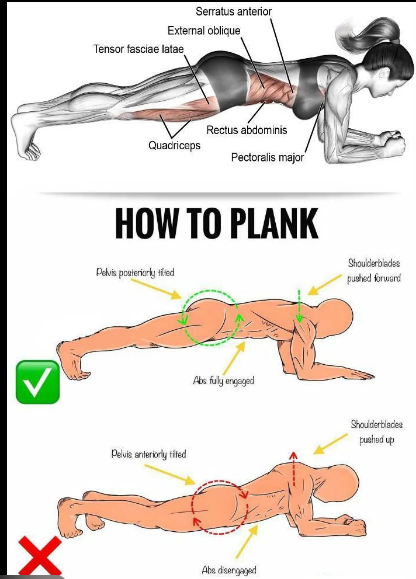
The first image shows a man who stretches his body during a sunrise. The second image displays an infographic which explains how to perform a squat exercise. The third image shows a woman who demonstrates the plank exercise on a wooden floor. The fourth image displays a visual guide which demonstrates how to perform a plank exercise.
People can develop strength through exercise when they maintain proper workout intensity and follow a balanced nutrition plan. Athletes who push themselves beyond their limits experience the fastest declines in their ability to perform at their best. Daily fitness habits create sustainable outcomes when people establish system-based recovery practices which they combine with appropriate training intensity. The training program aims to develop your abilities through successive improvements which will enable you to reach your target objectives.
Engage in mobility exercises during the first 5 to 10 minutes of your morning routine. The practice of gentle stretching together with hip circles and arm swings plus light core activation helps your body prepare for movement because it activates your nervous system and develops your joints. The small habit helps people achieve better flexibility while decreasing their chances of getting injured because it alerts their body to begin its active period. People should treat their bodies like engines which require gentle activation instead of maximum acceleration.

The strength program should begin with a 20 to 30 minute session which uses compound exercises as its main focus. The body can effectively develop strength through bodyweight exercises which include squats and push-ups and lunges and glute bridges and planks. Start with basic weight training equipment by introducing dumbbells and resistance bands into your workouts. People should perform 3 to 4 exercises during their workout session which includes 3 sets of each exercise until they reach 1 to 2 repetitions before their muscles completely give out. The method develops strength in athletes while supporting their body recovery process. The training program requires participants to train different muscle groups every day including upper body muscles and lower body muscles.
People need to develop their heart health through moderate exercise which does not require them to reach extreme levels of activity. Your body can handle heart healing through a 20 to 30 minute brisk walk which includes light jogging and cycling and swimming activities. Cardio exercises at low to moderate intensity help muscles recover through their ability to increase blood circulation while decreasing muscle tightness.
The process of recovery leads to actual growth. Your body needs 7 to 9 hours of sleep which should be followed by continuous hydration and intake of balanced meals containing protein and complex carbohydrates and healthy fats. Muscles benefit from both evening stretching and foam rolling because these activities help reduce tension while enhancing blood flow. Muscles need rest time to rebuild stronger because this process occurs during recovery not during active workout periods.
Body awareness holds equal importance to exercise recognition. You need to take a rest day when you experience fatigue and irritability and continuous muscle pain and your performance starts to drop. People can use active recovery methods which include yoga and walking and mobility exercises when they need to skip their regular intense training sessions. People build strength through rhythmic patterns which involve them to alternate between stress induction and recovery processes.
A long-term approach should become your primary strategy. The initial progress moves slowly but people who establish consistent habits will experience benefits which will accumulate in their lives. People should track their progress through small achievements instead of pursuing dramatic body changes which include performing one extra repetition and lifting slightly heavier weights and demonstrating better physical control and developing enhanced stamina. The process of increasing performance capacity leads to actual physical changes.
People achieve strength development through proper balance which prevents them from experiencing burnout. People need to train their bodies with specific goals while they create space for recovery through disciplined actions and maintain their training schedule. Your body will become stronger through daily dedication when your routine works with your body needs instead of creating physical stress.