


Train Smarter, Not Harder — The Science of Fitness
Training smarter, not harder, is the foundation of modern fitness science, and it reflects a deeper understanding of how the human body truly responds to exercise. Many people assume that pushing themselves to the limit, spending hours in the gym, or following extreme routines will give them faster results. But scientific research repeatedly shows that efficiency, proper technique, and strategic planning are far more important than sheer effort. The science of fitness teaches us that progress is not about doing more; it’s about doing what works. When you train smarter, you focus on quality over quantity, targeting the right muscle groups, using correct form, and balancing intensity with proper recovery. This approach not only improves performance but also reduces the risk of injury and burnout, making your fitness journey more sustainable and enjoyable.
A major part of training smarter is understanding how the body adapts to stress. Exercise is a controlled form of stress, and the body responds by rebuilding itself stronger—but only if you give it the right stimulus and enough time to recover. Many beginners make the mistake of training too hard and too often, thinking that more effort automatically means more results. In reality, overtraining can slow progress, weaken the immune system, and even lead to muscle loss. Fitness science emphasizes the importance of rest days, sleep, and active recovery to allow the muscles to heal. True progress happens when you alternate between effort and recovery. When both are balanced, the body grows stronger, more resilient, and more capable over time.

Another crucial aspect of training smarter is creating a workout plan that aligns with your goals. Different goals require different methods. If you want to build muscle, you need progressive overload and controlled resistance training. If your goal is weight loss, then a combination of strength training and metabolic conditioning is more effective. If you want to improve endurance, your focus should be on gradually increasing intensity and volume. The science of fitness helps you avoid guesswork by using proven methods tailored to your objectives. This ensures that every minute you spend working out brings you closer to your goals, rather than wasting time on exercises that don’t support your desired outcome.
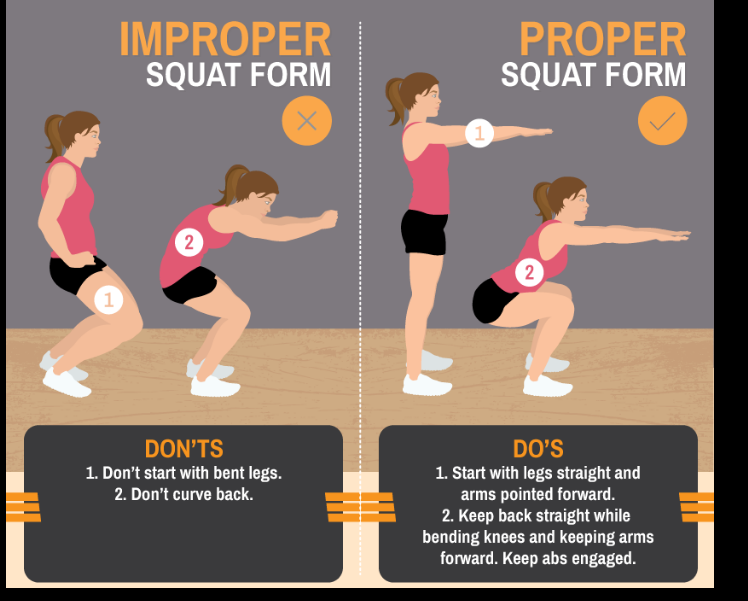
Proper technique is one of the most important elements of smart training. Fitness science shows that correct form activates the intended muscles, improves efficiency, and minimizes the risk of injury. Many people try to lift heavier weights than they can handle or rush through exercises without paying attention to movement patterns. Not only is this unsafe, but it also limits progress. Smart training prioritizes mastering technique before increasing intensity. When your form is correct, your performance improves naturally, and you enjoy better, safer results. This approach helps you train consistently without interruptions caused by strains or injuries.
Another pillar of smart training is periodization—a scientific method of organizing your workouts into phases. Instead of doing the same routine every day, periodization cycles through phases of strength, endurance, power, and recovery. This keeps the body challenged and prevents plateaus, where progress slows down because the body adapts to repeated stress. Fitness science shows that variety and strategic progression deliver better long-term results and keep you motivated. Periodized training also ensures that you are not overworking the same muscles repeatedly, giving your body a balanced and intelligent path to improvement.
Nutrition is also a major part of training smarter. The body needs the right fuel to perform well, recover quickly, and build muscle. Without proper nutrition, even the best workout plan can fail. Training smarter means choosing foods that support your goals: protein for muscle repair, carbohydrates for energy, healthy fats for hormonal balance, and plenty of water for hydration. Scientific research consistently shows that nutrient timing, portion control, and balanced meals greatly enhance workout results. Smart training also means avoiding extreme diets, because they lead to fatigue, muscle loss, and slowed metabolism. Instead, you choose a balanced eating pattern that you can maintain long-term.
Sleep and stress management are also essential components of the science of fitness. When the body is stressed or sleep-deprived, hormones like cortisol increase, making fat loss harder and slowing muscle recovery. Smart training recognizes that mental and physical fitness are deeply connected. By improving your sleep routine, managing stress, and maintaining a positive mindset, you enhance your overall performance and gain better results from every workout. Fitness is not just about pushing your body—it’s about supporting your mind as well.
One of the most powerful benefits of training smarter is that it allows you to stay consistent. Consistency is the true secret behind real, lasting fitness results. When you train too hard, you burn out quickly, get injured, or lose motivation. But when you follow a strategic, science-backed routine, you enjoy your workouts, see steady progress, and naturally stay committed. This leads to long-term success, not just short-term changes. Training smarter creates a lifestyle that is sustainable, enjoyable, and effective.
In the end, “Train Smarter, Not Harder — The Science of Fitness” is about respecting your body, understanding its needs, and applying knowledge instead of relying on guesswork. It teaches you to move with purpose, eat with intention, rest with discipline, and train with balance. When you follow scientific principles, you get better results in less time, stay injury-free, and build a fitness routine that lasts a lifetime. Training smarter transforms your entire approach to health—making every workout more meaningful, every effort more efficient, and every result more long-lasting.
The most effective way to achieve fitness results requires people to train their bodies in smarter ways instead of training their bodies in harder ways. People believe that spending more time at the gym will produce better results, but research shows that using scientific methods to create performance plans provides better results with less effort and risk. By knowing your body’s training responses, you can create training programs which help you reach your goals in a safe way while producing results which last longer.
The first training principle for better results states that quality over quantity should guide your training process. Athletes who concentrate on executing their training movements with accurate form while maintaining controlled speeds throughout their complete movement path will achieve their training objectives while decreasing the chance of injuries. The goal is to create value through every set we perform instead of completing multiple sets without purpose. The strength training benefits of compound exercises such as squats deadlifts and presses and rows result from their ability to activate multiple muscle groups which produce strength results.
The training method requires practitioners to implement progressive overload as its fundamental element. Research demonstrates that muscle development occurs when muscles face resistance which exceeds their existing strength levels. The process requires three steps: you should first increase your lifting weight and your repetitions and your workout intensity while you provide your body with sufficient time to recover. Athletes achieve optimal performance through the combination of heavy strength training sessions and explosive training and endurance training sessions.
Recovery and rest hold equal significance to their importance. The body grows stronger through its resting phases which happen after everyday physical activities. The body needs enough sleep together with proper hydration and active recovery activities such as stretching and light cardio to achieve proper recovery and stop feeling tired. Recovery neglect leads to three negative outcomes which include burnout and reduced performance and increased risk of injury.Athletes need to develop their skills through training because they have to perform at their best during competition. Your body performs best when you consume balanced meals that contain protein for muscle repair and carbohydrates for energy and healthy fats for maintaining hormone balance.

Your progress tracking together with your realistic goal setting creates a system that allows you to monitor your progress while reaching your goals. The combination of exercise selection together with proper training intensity together with needed recovery and nutritional intake enables you to train effectively while keeping your body safe. Scientific research demonstrates that training which uses intelligent methods provides better results than training which relies on intense physical efforts, which enables you to develop strength and endurance while reaching your fitness goals with reduced energy loss and increased lasting outcomes.